
On October 20, many different apps and programs were inaccessible due to the AWS outage, including: Canvas, Amazon, Delta Airlines, McDonalds, Microsoft 365, Zoom and many others. This lasted around 15 hours in which there were many complaints from various groups of people. One group in particular was many students that rely on the Canvas platform to do their schoolwork. AWS, Amazon Web Services is a primary provider of cloud infostructure. At 3:35 that same day AWS announced that the outage had been fully handled. However, a few hours after that the outage was back. Overall, the whole incident lasted for the better half of a day and affected many groups of people, in particular students.
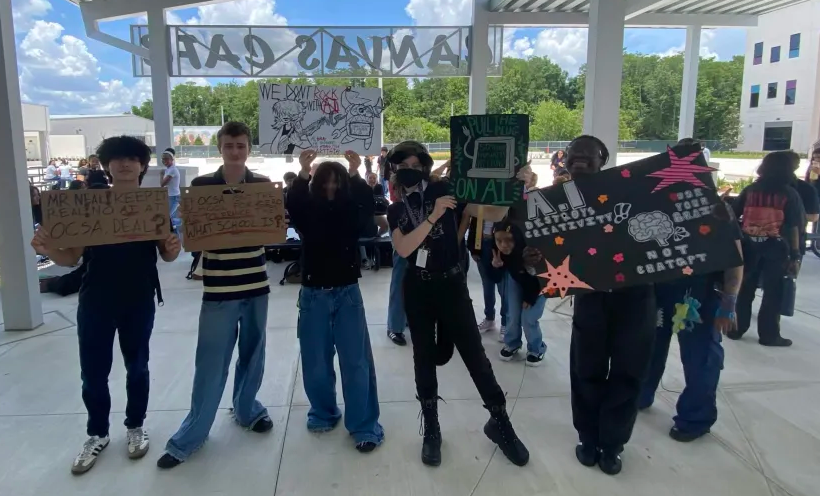
Many students across the globe utilize Canvas and attended school that day expecting to be able to complete and view assignments through Canvas. One of these schools was of course OCSA and thus many students were left unable to do things through Canvas. Luckily this was relatively short-lived and because it was out for everyone, teachers and staff were well aware of the issues, and any discrepancies were quickly solved.
But it wasn’t just students that were affected. With the numerous platforms that were down it is clear that this affected people from many different walks of life. But what many don’t know is that this was in actuality something that many say was bound to happen. AWS is such a large web server that houses so much cloud technology that many specialists say an outage like this happening was not surprising.
However, because of this people are now beginning to question whether this may serve as a warning for future outages.
In the words of Ira Winkler, Chief Information Security Officer of the reliability and cybersecurity firm CYE, “The word hindsight is key. It’s easy to find out what went wrong after the fact, but the overall reliability of AWS shows how difficult it is to prevent every failure.”
So no one is exactly sure of what’s to come with the future of servers like this but at least this gives people the opportunity to see what went wrong in the past and consider potential changes.