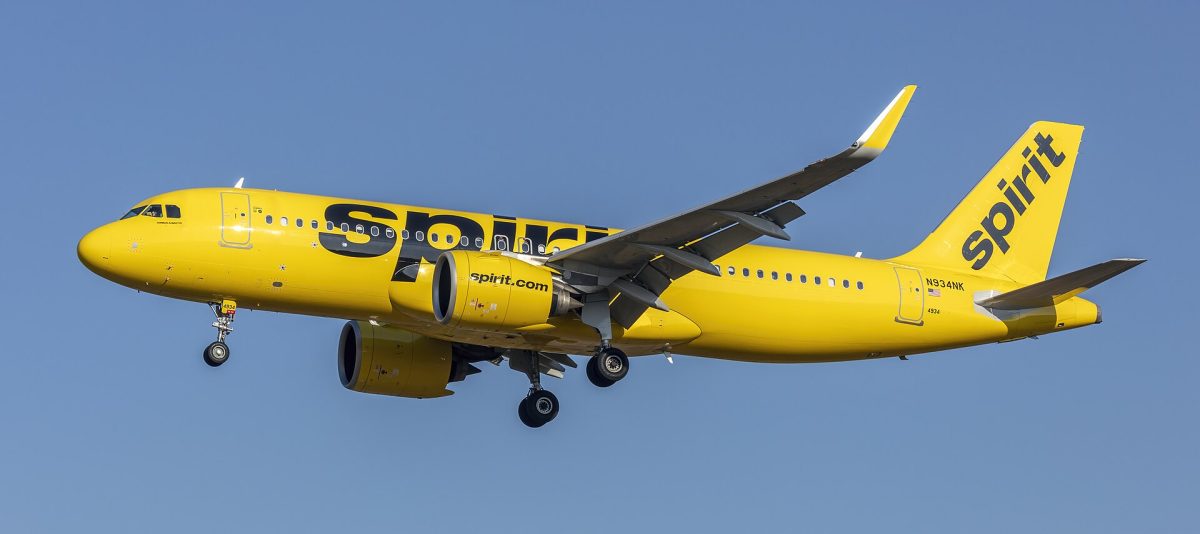
Budget airline Spirit has fully ceased operations after struggling monetarily for years. The company had filed for bankruptcy twice in the span of less than a year and has now canceled all its flights and simply gone under. Close to its end, Spirit sought a $500 million bailout from the white house; however, they failed to reach a deal. This led to all operations stopping “effective immediately.”
The airline said in its May 2 statement that “It is with great disappointment that on May 2, 2026, Spirit Airlines started an orderly wind-down of our operations, effective immediately.” Adding that “[A]ll flights have been cancelled, and customer service is no longer available. We are proud of the impact of our ultra-low-cost model on the industry over the last 33 years and had hoped to serve our Guests for many years to come.”
The Transportation Secretary, Dean Duffy, announced the same day that the Department of Transportation was coordinating with other U.S. airlines to assist any stranded customers in rebooking their trips. On top of that, major carriers agreed to cap their ticket prices and have offered reduced fares to affected passengers. Several airlines also offered their assistance to Spirit crew members, helping them return home and offering preferential interviews to Spirit employees looking for new jobs in the industry.
This shutdown comes after financial pressure caused by the war in Iran, due to the soaring price of jet fuel. Still, there were problems deeper than that. As the No. 9 airline, based on seating, they faced huge competition from rivals, which made it difficult to compete due to their budget pricing.
In that regard, Spirit was a pioneer. As a maverick in the industry, they kept fares affordable by stripping away amenities that most airlines took for granted. Even without these amenities, they struggled to compete with bigger legacy airlines, which on average made more money, making it hard for Spirit to stay afloat.
As a last-ditch effort to stay afloat, Spirit tried to sell itself to a larger rival, accepting a $3.8 billion deal from JetBlue. However, the U.S. Justice Department sued Spirit, arguing that the merger would hurt budget-conscious consumers. A federal judge agreed and rejected the acquisition.
Trump told reporters that he would like to do something for the Spirit employees who lost their jobs, saying that “If we can help them, we will. But we have to come first. We’re first.”