
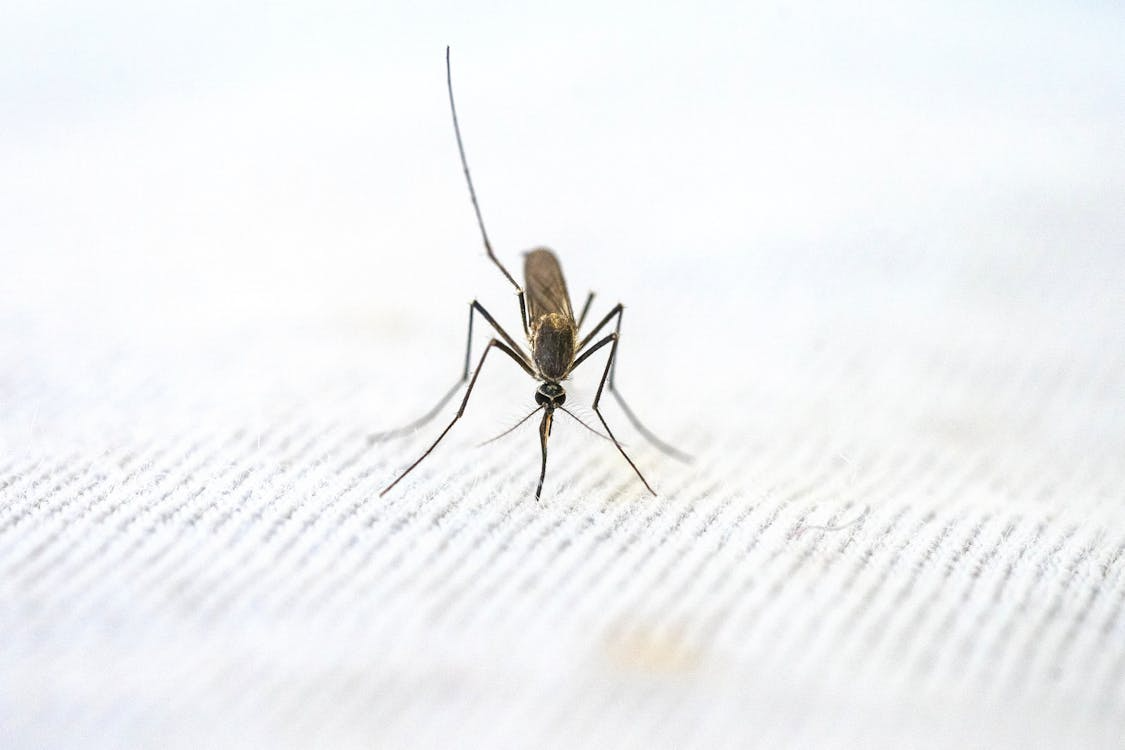
Due to Iceland’s inhospitable winters, it has long been protected from mosquitoes. However, it seems that as of late, that is beginning to change. Last week, scientists found three mosquitoes in Iceland—making them the country’s first confirmed finding of these insects in the wild.
Up until this month, Iceland was one of the few places in the world to not have a mosquito population, the other being Antarctica. The mosquitoes were discovered by Björn Hjaltason in Kiðafell, Kjós, in western Iceland about 20 miles north of the capital Reykjavík. While a single mosquito of a different species was discovered in an airplane at Keflavík International Airport, this is the first ever recorded case of mosquitoes occurring in the natural environment in Iceland.
The Culiseta annulata species, which corresponds to the insect found, is native to location ranging from North Africa to northern Siberia. It appears well adapted to colder climates, primarily because adults can ride out the cold in sheltered places. This allows them to withstand long, harsh winters even when the temperature drops below freezing.
While it is currently unclear how the mosquitoes arrived in Iceland, theories include possibilities of it coming via ships or cargo containers, however there is still no certainty. As for whether their residence will be permanent, scientists will need to monitor the species in the spring to see whether the species can survive the winter and become established in Iceland. Current predictions point to it being very possible, as there are plentiful breeding habitats such as marshes and ponds.
While most mosquito species still cannot survive the frigid winter, global warming has opened the door for this species to potentially flourish. In fact, studies have shown that the Artic Region is warming at four times the rate of the rest of the world, and that Iceland has experienced record heat this year. Glaciers have been collapsing and fish from warmer, southern climes such as mackerel have been found in the country’s waters.
The institute that reported the mosquitoes also noted that they weren’t the only insects newly discovered in Iceland due to warming climates, but also that the Culiseta annulata aren’t known to carry infections through their bite, and are more of a “biting nuisance, rather than a deadly foe,” according to a 2017 study on them.
Still, this isn’t only an Iceland issue. Global warming has affected the spread of invasive species around the world. In the UK, eggs of the Egyptian mosquito were found this year, and the Asian tiger mosquito has been discovered in Kent. These are invasive species that can spread tropical diseases such as dengue, chikungunya and Zika virus.
Now, even though it was believed the Culiseta annulata may have been capable of surviving Iceland’s temperatures–in theory–even before the recent climate changes, researchers aren’t sure if the impact is direct enough or if the mosquitoes will be able to grow and sustain a large population overtime.
All there is to do now, is observe.