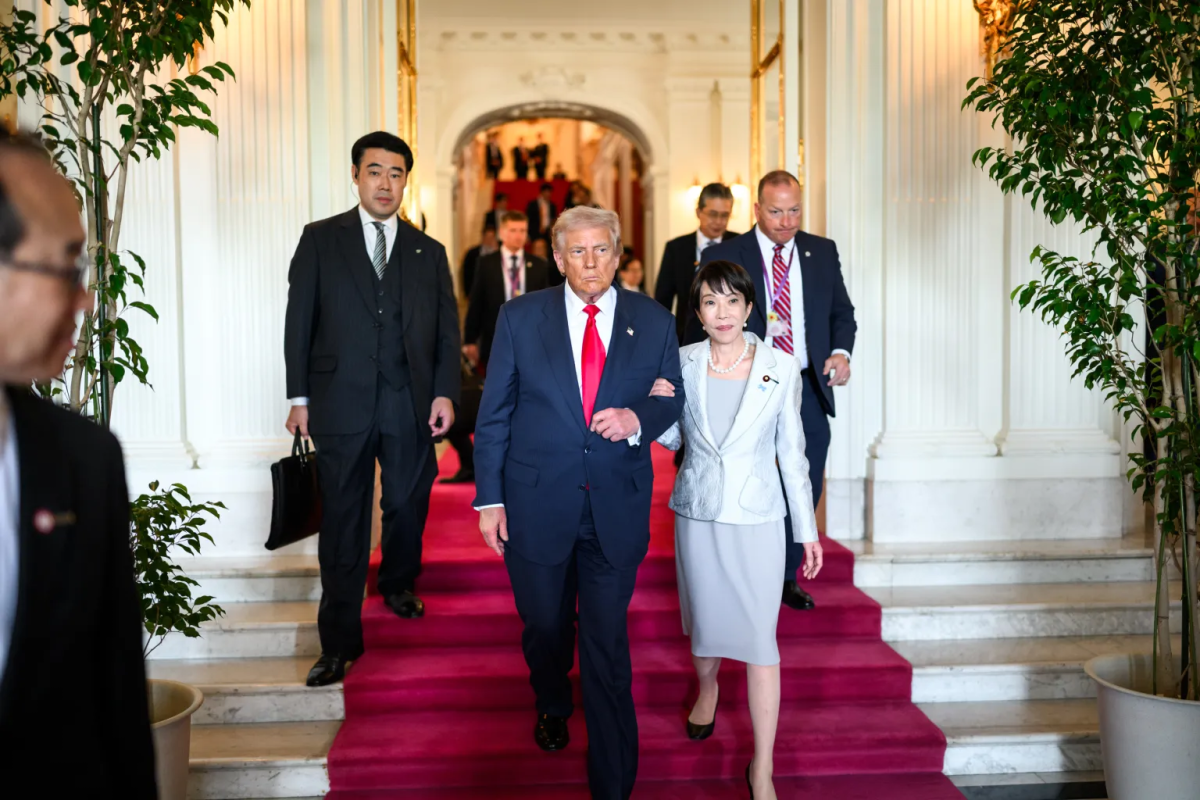
Just last month, President Donald Trump and Japanese Prime Minister Sanae Takaichi met to talk about and reset the US-Japan trade relationship. During said meeting, the two leaders signed a framework agreement that creates a $550 billion fund for Japan to invest in the U.S. and lowers the rate at which Japanese goods are taxed to 15%. This deal aimed to create a “golden age” for the nation’s alliances.
The countries also signed a second deal, this one aimed at strengthening trade between the U.S. and Japan, as well as reducing both countries’ reliance on China, who currently dominates the global rare earth market. It’s been reported that, in specific, this deal aims to minimize China’s manufacturing efforts, as the growth of Chinese electric vehicles, artificial intelligence, and advanced computer chips could undermine the American and Japanese economies.
These deals have brought the relationship between the U.S. and Japan as close as it’s ever been, experts say. Trump went as far as to state, “Anything I can do to help Japan, we will be there,” and described Japan as “an ally at the strongest level.” During the meeting, both lavished further praises on each other. Starting with Trump noting Takaichi had a “very strong handshake” when they shook hands. In return, Takaichi talked about watching the World Series prior to their meeting and offered to gift Washington 250 cherry trees next year to honor America’s 250th anniversary, as well as fireworks from Akita Prefecture for July 4 celebrations. Takaichi, who is a protégé of Trump’s former ally, Shinzo Abe, also noted to Trump that “Prime Minister Abe often told me about your dynamic diplomacy.”
Although, some analysts claim her effort to invoke Abe’s legacy to forge a bond with Trump, who was also close to Abe due to their golfing habits, could be an attempt to bolster her vulnerable political position domestically, as well as help her navigate Trump’s occasionally erratic decision-making.