
On December 10th Australia became the first country to initiate a social media ban for children under 16 years old. Popular social media platforms such as TikTok, Instagram, YouTube, Twitter, X, and others will be unavailable to children with the start of the ban. The country implemented this ban in an effort to protect the youth from online dangers. Julie Inman Grant, Australia’s e-commissioner stated that with the ban children will be protected against, “[The] unseen forces of harmful and deceptive design features such as opaque algorithms and endless scroll.” According to the Australian government, before the ban, 86% of teens aged 8-15 within the country used social media. With the ban, however, the limit from social media is expected to solve phone addiction and overall protect children against harmful content.
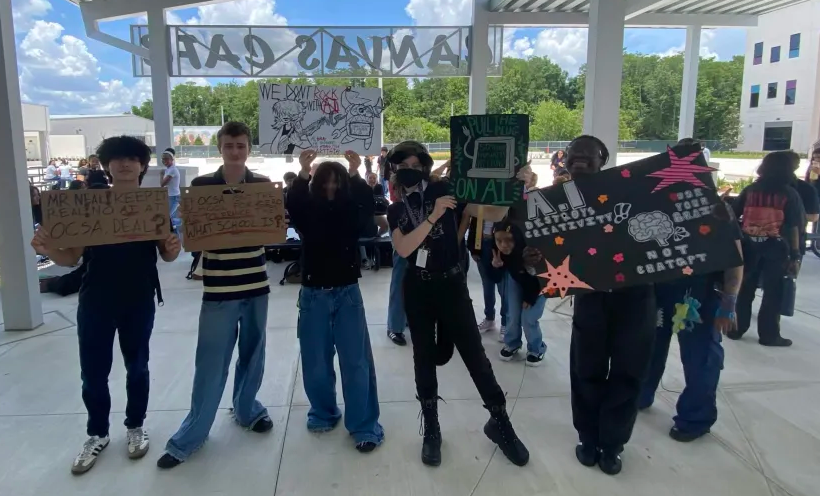
Many parents, who advocated for the ban, are willing to enforce no social media among their children. However, for numerous kids this change is difficult. Children have argued that no social media will cause them to be more disconnected and that the ban has no definite way of removing them from these platforms. Noah Jones, a 15-year-old in Australia, who is currently challenging the new ban in court, stated that he’s, “…against this social media ban because as young Australians, we’ll be completely silenced and cut off from our country and the rest of the world.” This statement reaffirms the idea that many children in the midst of this social media ban fear being removed from their friends and current trends in society.
Australian leaders have also expressed concern in how these popular social media platforms will go about enforcing the ban for children. These platforms have assured that they will use technology such as, live video selfies to estimate age, email address checks, or require official documentation, to prevent children from using their app and remain complying with the Australian government. Incompliance from these companies will result in a $32 million fine. While these social media platforms have already abided by the ban, they echo the same concern that removing their platforms will still not remove children from social media. In a statement made by Snapchat, they stated, “Disconnecting teens from their friends and family doesn’t make them safer–it may push them to less safe, less private messaging apps.” All of these concerns highlight the uncertainty regarding the ban, however, in response to this, the Australian government guaranteed that over time they will continue to improve any issues they expect will arise.
With Australia taking the first steps on a social media ban for children, countries around the world have been closely watching their progress. Nations such as, New Zealand, Denmark, France, and many others have already begun taking measures to limit social media intake for children. In the U.S, a few states have already followed suit by implementing restrictions on social media platforms and the services they are allowed to provide to young children, as well as instating parental consent of social media use for minors.
Eventually, social media usage may look very different for children across the globe.