A new policy is the latest dispute over press access to President Donald Trump’s administration. This policy has limited legacy media while boosting conservative and pro-Trump outlets. The Times originally sued the Pentagon and Defense Secretary Pete Hegseth in December, on the claim that the agency’s new credentialing policy violated journalists’ constitutional rights to free speech and due process. In response to these restrictions, dozens of reporters walked out of the building rather than agreeing to work with government-imposed restrictions on their work.
In the end, U.S. District Judge Paul Friedman in Washington, D.C., decided to side with the newspaper. He ordered the Pentagon to reinstate the press credentials of seven Times journalists along with striking down some of the agency’s restrictions on news reporting. Friedman said the “undisputed evidence” shows that the policy is designed to weed out “disfavored journalists” and replace them with those who are “on board and willing to serve” the government, an instance of illegal viewpoint discrimination in order to have the administration more favorably portrayed.
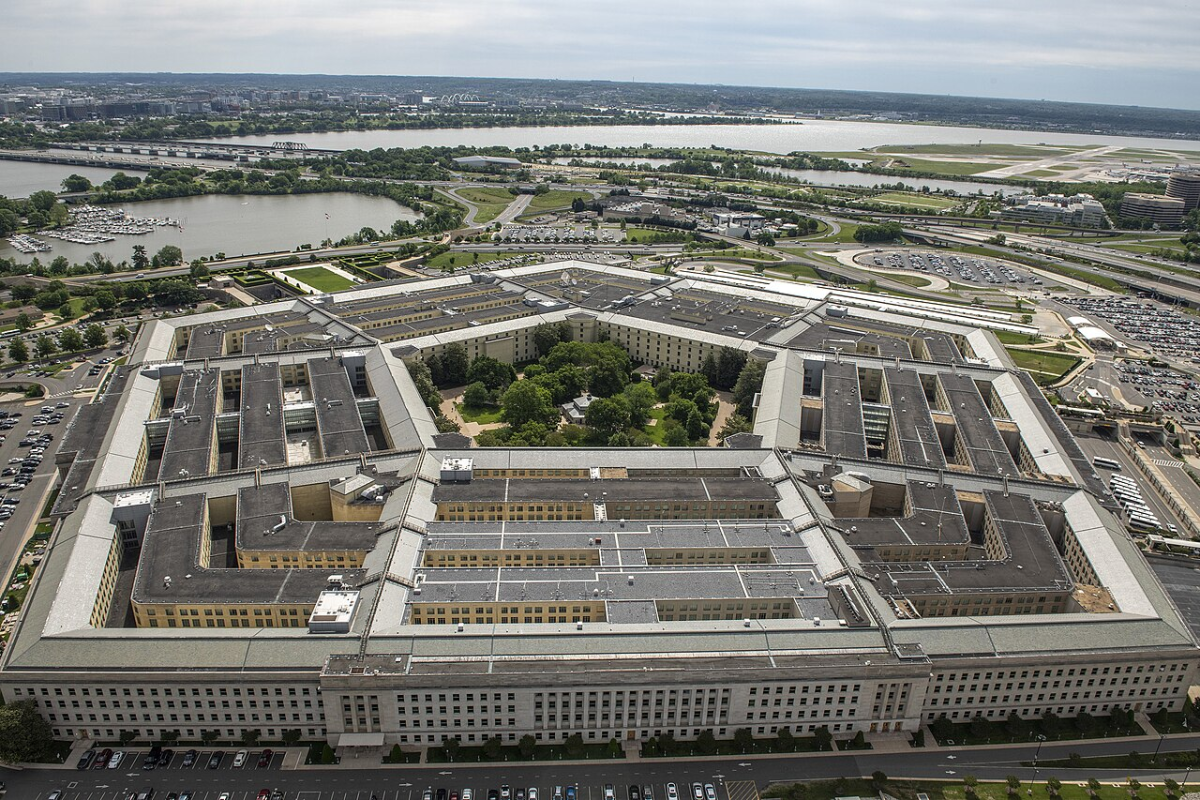
After the ruling, department spokesperson Sean Parnell followed that up with an announcement that the Pentagon area known as the “Correspondents’ Corridor” which reporters have used for decades to cover the U.S. military, will close immediately. Now, journalists will eventually be phased into being able to work from an “annex” outside the building, which Parnell said, “will be available when ready.” He offered no details about how long that will take.
The Pentagon Press Association has pushed back and claimed the announcement, “is a clear violation of the letter and spirit of last week’s ruling.” The association added, “At such a critical time, we ask why the Pentagon is choosing to restrict vital press freedoms that help inform all Americans,” challenging why more journalistic freedom would be such an issue for the Pentagon, especially during such a newsworthy time of history.
The Defense Department is currently pursuing an appeal, as Parnell claims the department disagrees with the result. According to him, security concerns were what prompted the restrictions on press access—however, most journalists have rejected this claim. Now, Parnell has announced that journalists will have access to the Pentagon for press conferences and interviews; however, they must be arranged through the department’s public affairs team, and the journalists must be escorted when present.
Most of the current Pentagon press corps is made up of conservative outlets, those whom Friedman claimed the department was trying to biasedly protect; they have agreed to the policy. Reporters from outlets that disagreed with the new rules and refused to consent, such as the Associated Press, have continued to report on the military on their own.