Throughout history, protest has been one of the most powerful tools ordinary people have used to challenge injustice and demand change.
Yesterday afternoon, President Donald Trump released an official order to the Department of Homeland Security to refrain from intervention during “protests and/or riots” unless the mayors specifically ask for help (CNN).
We have seen a rise in controversy and violence in Minnesota. Trump noted that despite this, he demanded that government leaders plead before asking the government for help.
According to Article 20 in the Universal Declaration of Human Rights, “Everyone has the right to freedom of peaceful assembly and association.”
The First Amendment entails these rights in America, stating that “Congress shall make no law…abridging the freedom of speech, or of the press; or the right of the people peaceably to assemble, and to petition the government for a redress of grievances” (GOV FACTS).
America has a rich history of change from movements based on civil disobedience. Movements like the Civil Rights Movement, Women’s Suffrage and anti‑war demonstrations have all been rooted in America’s value of protest.
On January 27, the U.S. experienced the largest amount of arrests within a day. This happened within the month that Alex Pretti and Renee Good were shot by federal agents.
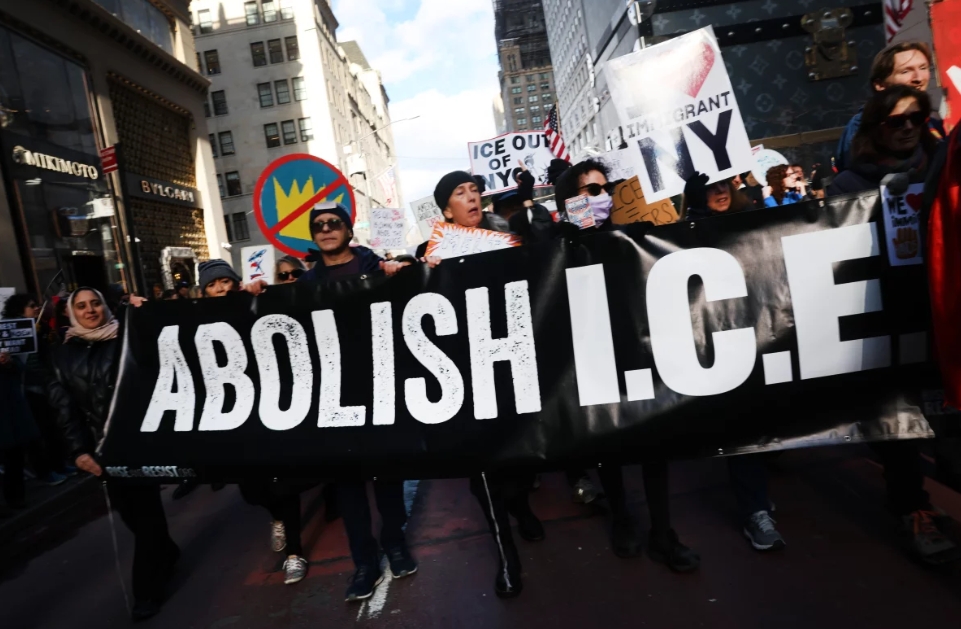
These events sparked protests, gathering people across the nation to evoke change. After the murder of two American citizens, “at least 1,000 events were planned across the U.S.” (NPR). A woman in a Houston protest expressed that no matter the person’s citizenship status, “everyone deserves due process.”
It seems that American citizens are questioning, more than ever, how protected their rights truly are. The guarantee of freedom of speech, assembly, and petition has been rooted in American identity. As we see that being challenged, we can expect to see more people rising to create change.