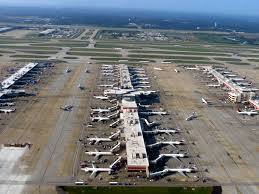
On March 23, Trump sent ICE to U.S. airports, leading to agents’ interference with airport security workers. TSA shortages have been emerging since the Department of Homeland Security Funding shut down on February 14. The goal of ICE in airports was to help TSA while navigating the public through the airport quickly following security protocols. Conversely, terminal lines have become longer due to crowd control and stricter security such as in the New York John F. Kennedy International Airport and Chicago O’Hare International Airport.
The following U.S. airports have also been affected:
- Southwest Florida International Airport
- Hartsfield-Jackson Atlanta International Airport
- Houston’s William P. Hobby Airport
- Louis Armstrong New Orleans Airport
- LaGuardia Airport in New York
- Cleveland Hopkins International Airport
- Luis Munoz Marin International Airport
- Pittsburg International Airport
- Philadelphia International Airport
- Phoenix Sky Harbor International Airport
As agents have been doing criminal investigations for airport smuggling, ICE has helped with ID checks, guarding entrances, and assisting travelers. “I don’t see an ICE agent looking at an x-ray machine, because they’re not trained in that, but there are certain parts of security that TSA’s doing, and we can move them off those jobs and put them in the specialized jobs and help more lives”, White House Border Czar Tom Homman said during the State of the Union on March 22.
With DHS cuts causing a partial government shutdown, TSA workers have been working without pay; missing paychecks is causing workers to struggle meeting daily needs. About 480 workers have quit as of February 14, though recently, Homman announced that ICE will remain in airports while TSA gets paid. “It depends on how many TSA agents come back to work [and] how many TSA agents have actually quit and have no plan [of] coming back to work,” he clarified.
There is no current projection for how long ICE will maintain their presence in airports. Long lines and disturbing scenes have turned what were once quick airport procedures into hour-long stand stills.