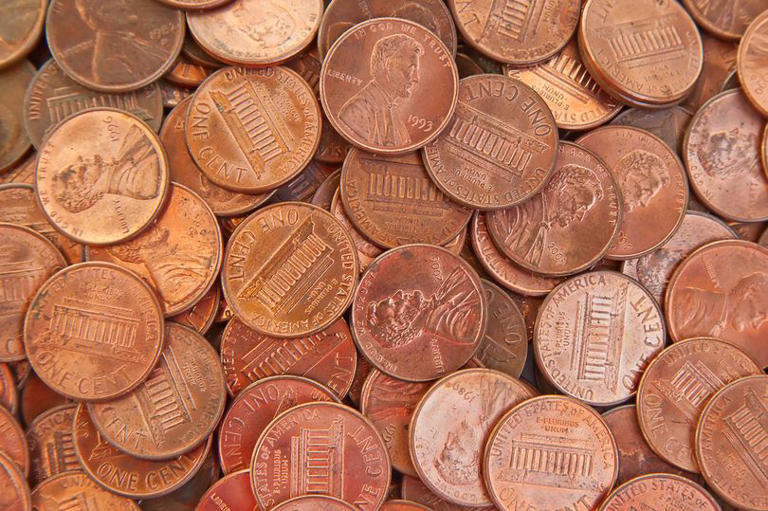
On November 12th, the U.S. mint decided to end the production of the penny. The iconic one-cent coin has been in circulation within the United States for over 230 years.
This decision came after the government highlighted the fact that producing the penny cost more than it was actually worth. In recent decades the cost of production for the penny rose from 1.42 cents to 3.69 cents meaning it costs a little under four pennies to produce just one coin. Treasurer Brandon Beach commented on this issue stating, “We’re going to save the taxpayers $56 million.” While preserving funds is at the core of discontinuing this coin, many people wonder what will happen to the economy without the one-cent currency.
This question on whether current prices will have to be rounded up looms over society with this major shift. Mark Weller, Executive Director of Americans for Common Cents, says that eventually ” problems will be more pronounced with retailers not having pennies.”
However, while it may seem that there might not be enough pennies to continue buying items at the .99 cent price, there is an estimated three hundred billion pennies still in circulation. The U.S. mint also states that, “…retailers and other businesses can continue to price goods and services in one-cent increments.” While the penny may not be produced anymore, there is still an abundant amount left to continue life as before.
To mark the end of an era, a dedicated ceremony was held to print the last of the historic coin. At the ceremony, Kristie McNally, the Acting Mint Director stated, “While general production [of the penny] concluded today, the penny’s legacy lives on…. its significance in Americas story will endure.”