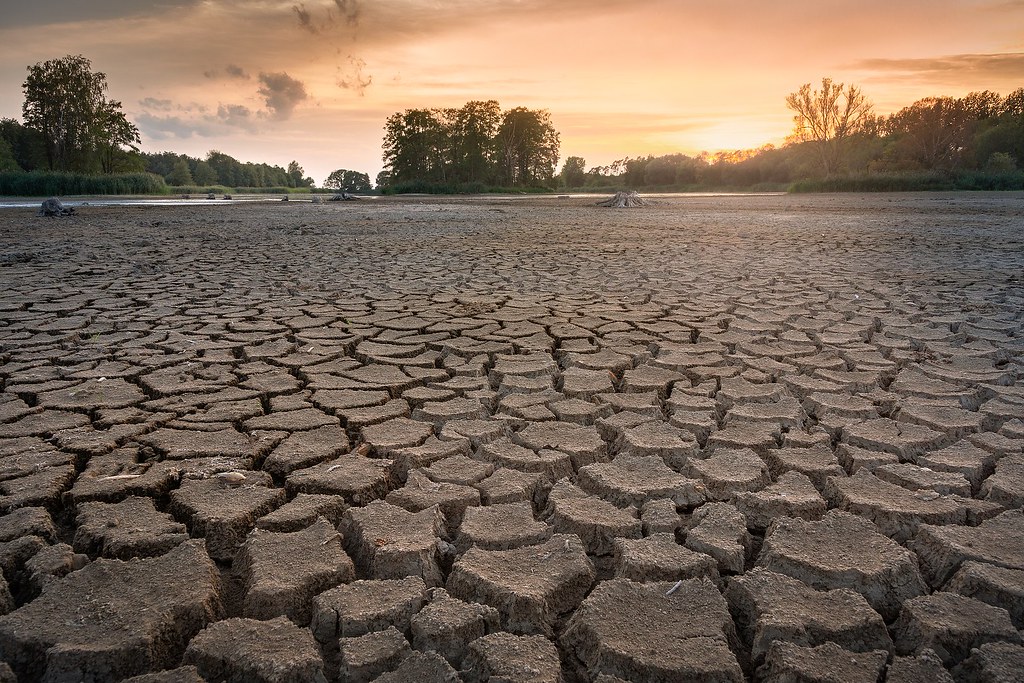
Since the start of 2026, dry conditions have affected the world. Numerous countries have been experiencing hotter temperatures and little rainfall, making the conditions perfect for a drought.
In the United States, 47 states are experiencing a moderate drought or worse as of February 16th affecting approximately 145.3 million people according to the National Integrated Drought Information System (NIDIS). Here in Florida, citizens have been dealing with extremely dry conditions that have affected not only the lush greenery but their livelihoods as well.
Crops are dying faster than ever as there has hardly been enough rain to combat the extreme drought conditions. According to the NIDIS about 98.8% of the entire state is experiencing a drought with 43.3% of the region in extreme drought conditions. This marks the state’s worst drought since 2001.
With this information comes graver consequences as wildfires are more likely to spontaneously erupt. So far since the beginning of 2026, over 650 wildfires have devastated Florida with over 21,000 acres consumed by these disastrous fires.
In response to all of these events, Governor Ron Desantis has issued a state of emergency for Florida. Burn bans are already in effect for many counties to prevent any further fires, though the impact these wildfires have already caused for many families and farmers, is immense. Many people have also been instructed to conserve water due to the dwindling reserve of it left across the state.
Surprisingly, Florida isn’t the only region experiencing abnormally dry conditions. Many states in the West have been shocked at how hot it has been compared to other years. Many drought reports show moderate to severe drought conditions all along the western half of the United States. Future water supplies for this region don’t look promising either as these blistering hot temperatures have created one of the warmest winters to date.
“I have not seen a winter like this before,” stated Mark Serreze, the National Snow and Ice Data Center Director, describing Colorado. Snow depth in this area has been significantly low, ultimately leading to less water flowing into rivers. This is crucial in order to maintain agricultural processes and power hydroplants that bring electricity to citizens. Without the normal snowfall rates in the Western area of the U.S., many of these systems will be impossible to uphold and citizens will likely have to conserve as much water as possible.
This growing concern of not having enough water has already become a reality in many other nations. In parts of Africa, countries have experienced insufficient rainfall and hotter than normal temperatures. Dry soil has left countries like Kenya and Ethiopia with the high potential for vegetation loss. The Famine Early Warning Systems Network (FEWS NET) reported a decrease in livestock due to a lack of water and available food.
This has led to a humanitarian crisis in the region with countless individuals struggling to obtain food. In Somalia alone, over 4.6 million people are affected by this issue. Numerous additional countries such as Australia and Chile are struggling with droughts and the subsequent wildfires that follow these extreme temperatures.
Until the next replenishing rainfall comes, many of these states and countries will be forced to adapt to the dry conditions. It’s incredibly important that you exercise caution when in climate conditions such as droughts, and follow any instated regulations provided by your state/country to maintain your protection and safety.