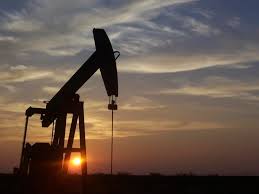

Oil prices have significantly spiked since the beginning of the war in the Middle East, and as a result, U.S gasoline prices have seen increases. The average price for gas was previously $3.48 and now has increased by 50 cents since the U.S entered the war with Iran.
How Does This Impact Americans?
Dr. Kitshoff, who teaches Government and Economics along with U.S. History, commented as to how this will impact the average American: “Gas prices impact everything because of transportation…It is the thing that affects absolutely everything.”
A lot of what has been targeted within Iran is oil refineries. Iran contributes 12% to the global oil supply, and they are 6th place in countries who produce the most oil. However, the issue isn’t the amount of oil Iran produces. Currently, the Strait of Hormuz, a shipping route between the Persian Gulf and the Gulf of Oman, has been closed by Iran for the first time since the 1980s. This closed trade route is what’s ultimately causing the increase in gas prices.
What Now?
While no one can make exact estimations of how this will affect gas prices moving forward, many Americans are expecting increases to what they budget for their weekly commutes. In the meantime, this hit to the prices at the pump becomes an additional issue of access and affordability for many with critics citing concerns that prolonged conflict could result in a recession.