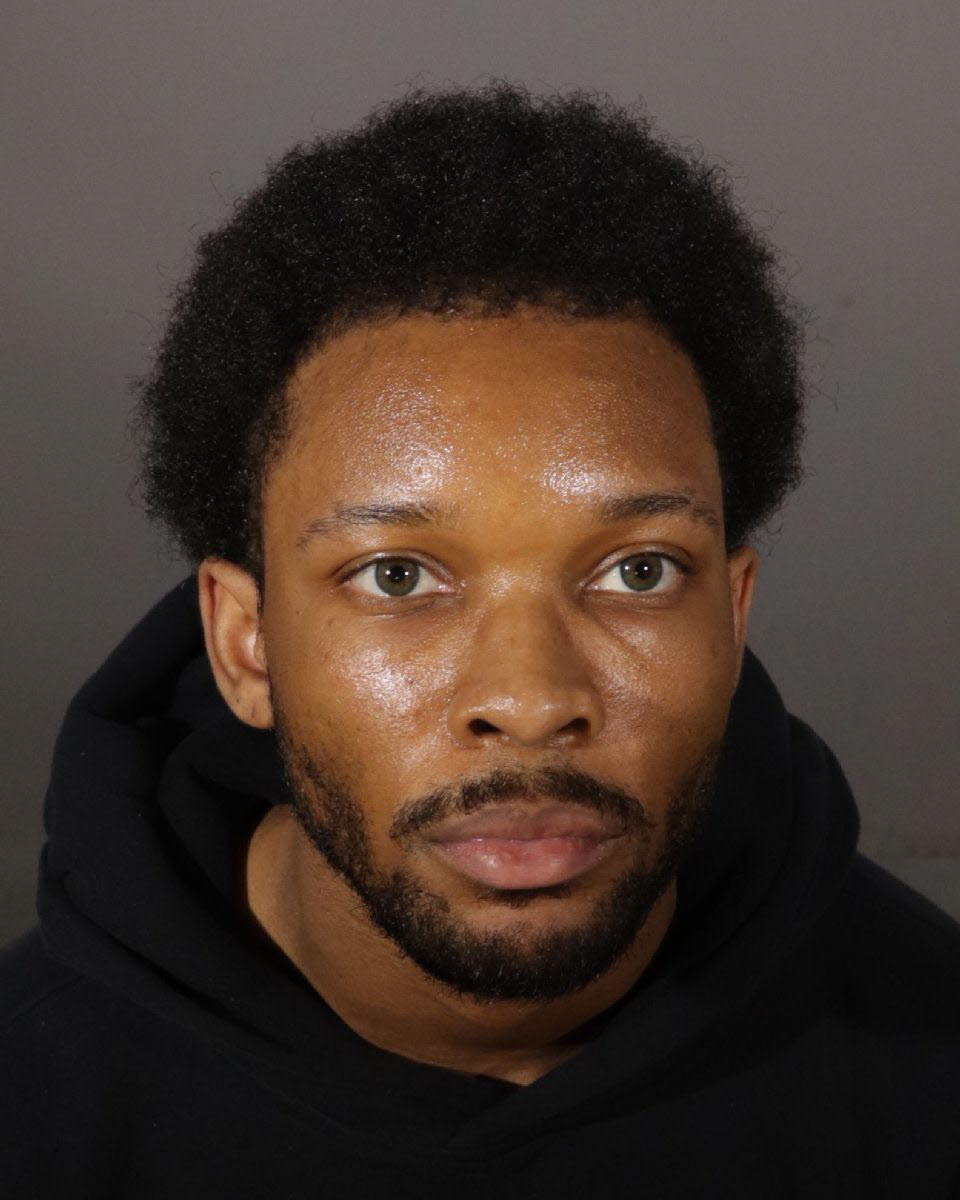
Recently, the well-known artist Banksy has been unmasked to be a middle-aged man from Bristol, England named Robin Gunningham. The reveal happened on March 13th, 2026. Despite reports of the identity reveal, Gunningham has neither confirmed nor denied that he is Banksy. This begs the question of what is the value of anonymity in art? The process carried out to find Banksy was a combination of forensic techniques, public records, and travel data which notably matched Gunningham to the timing of murals in Ukraine.
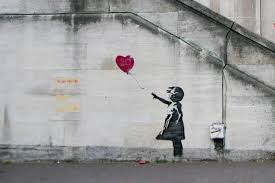
The artist emerged in the 1990s underground art scene with their art characterized as satirical, anti-establishment art with bold political statements. Pieces mainly consist of graffiti, which is art that goes on buildings or in public spaces typically in an illegal manner. Some of the artist’s notable artworks include Girl with Balloon, Flower Thrower, Kissing Coppers, Love Is in the Bin, Devolved Parliament, Show Me the Monet, Well Hung Lover, Sunflowers from Petrol Station, Laugh Now, and Mediterranean Sea View. All of these artworks show some political statement or message that is meant to counter the capitalist society of the world.
All art is inherently political however not all art has a specific political statement. The value of art in this world is crumbling as capitalism grows, and there has been an erasure of art in modern society. Especially visual art, which is often relegated to museums and even most museums only celebrate old artists from hundreds of years ago. That is why Banksy is so popular and has such strong pieces. Banksy is unapologetic about their artwork, and that shows in the alleged unmasking by not confirming their identity.
The unmasking of Banksy is an important event in not just the art world but the real world as well. There are many people that believe the person they found is not the real Banksy and is some sort of decoy, or even that Banksy is even a group of people, and it was just one member.