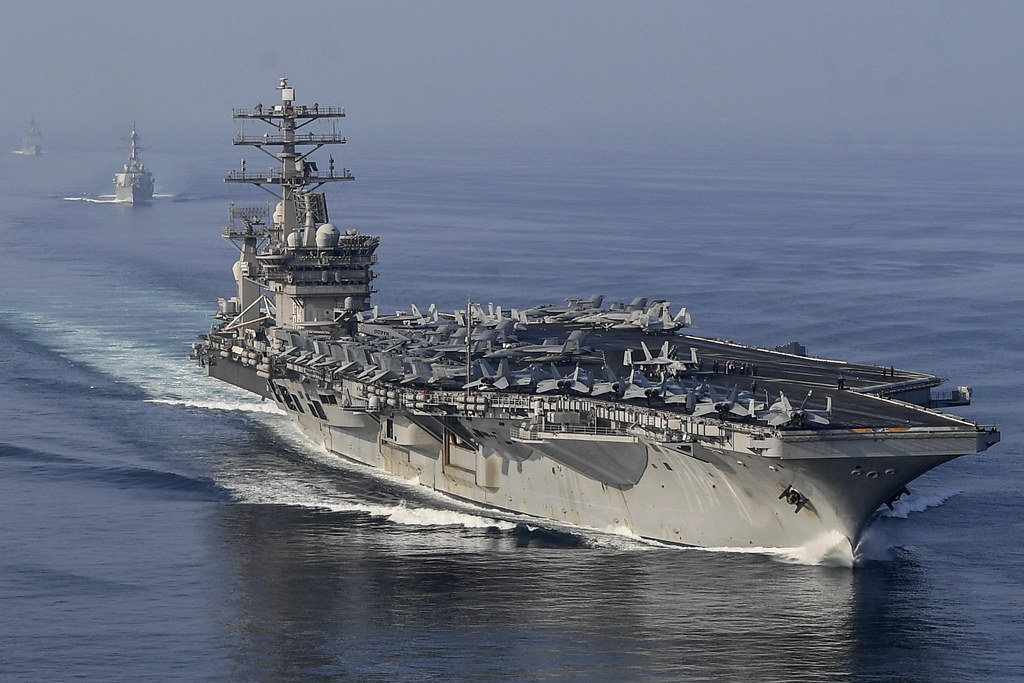
On April 13, the U.S. officially enforced a blockade on the Strait of Hormuz, a major global oil port. This comes after peace talks over the current war between the U.S. and Iran failed the day prior. Now, the United States has begun to block ships carrying Iran-linked shipments from entering and exiting the strait.
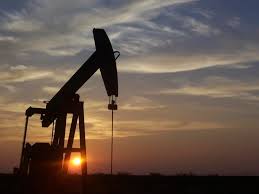
For many countries around the world the Strait of Hormuz is vital to their economy. Approximately 20% of the world’s oil and liquified natural gas passes through the strait daily. For many nations, especially the U.S., this oil is vital and in 2025 over 400,000-500,000 barrels of oil was imported to the U.S. Since the conflict with Iran began in February 2026, the strait has been closed in response to the U.S.-Israel strikes. The closure of this port has sent gas prices soaring across the United States.
In order to combat these increasing prices, the United States officially began a blockade in order to pressure Iran to reopen the oil route. The U.S. military stated, “U.S. forces have completely halted economic trade going into and out of Iran by sea.” The U.S. hopes that this disruption of imports/exports impacts Iran’s economy enough that the oil route is accessible again. This blockade only affects Iranian ships and doesn’t disrupt the activity of other nations in order to be in accordance with maritime law.
Despite this, however, Iran has resisted the blockade, with Mohammad Bagher Ghalibaf, the speaker of parliament for Iran saying, “Enjoy the current pump figures, with the so-called ‘blockade’ soon you’ll be nostalgic for $4-$5 gas.” So far, the blockade has caused the majority of ships entering the strait to plummet and since February the number of transit ships in the strait has collapsed by 95%. The country has also promised retaliation by threatening to block shipping in areas like the Persian Gulf and the Red Sea.
So far, both countries have been unyielding in their stance on the blockade with the U.S. continuing to control Iranian ships in the area and Iran promising retaliation.